Africa
In August 2008, when Silvio Berlusconi returned the Venus of Cyrene to Colonel Muammar Gaddafi – or more precisely, handed back a statue taken to Italy during Libya’s colonial period – it signaled that he had an agenda (Ronzitti, 2009, p. 125). This gesture was not merely about the restitution of an artefact; it marked… Leggi tutto »The strange friendship between Italy and Libya
Launched in January 2024 at the Italy–Africa Summit in Rome, the Mattei Plan has become a central foreign-policy plan to Italy’s renewed engagement with the African continent, and portrays Rome as a strategic bridge between Europe’s energy needs and the ways to handle migration and development (IAI, 2024). Italy frames the initiative as a “partnership… Leggi tutto »The Mattei Plan Between Rhetoric and Practice: Nation Branding and the Limits of Italy’s Projection in the Mediterranean
Sport, once merely a leisurely pursuit, has evolved into a powerful and versatile instrument in international diplomacy. What used to be confined to stadiums and scoreboards now plays an increasingly stra tegic role in shaping political agendas, fostering economic alliances, and nurturing cultural ties among nations (Kas, 2022). In recent decades, this shift has become… Leggi tutto »Morocco’s sports diplomacy: football as a tool of geopolitics
1994 was a dark year for humanity, because alongside the events unfolding in Bosnia and Herzegovina, another tragic event was taking place in the heart of Africa: the genocide of the Tutsi perpetrated by the Hutu. This genocide is now considered one of the most atrocious in contemporary history, resulting in hundreds of thousands of… Leggi tutto »From genocide to soft power: Rwanda’s strategy to reinvent itself on the international scene
It has been 15 years since Darfur stood at the forefront of global attention, when the UN labeled thesituation as the “world’s greatest humanitarian catastrophe”, but stopped short of recognizing the violence as genocide under international law. This refusal shaped both the scope of the intervention at the time and the trajectory of the conflict… Leggi tutto »Darfur and the failure of international protection: the legal and political costs of denying genocide
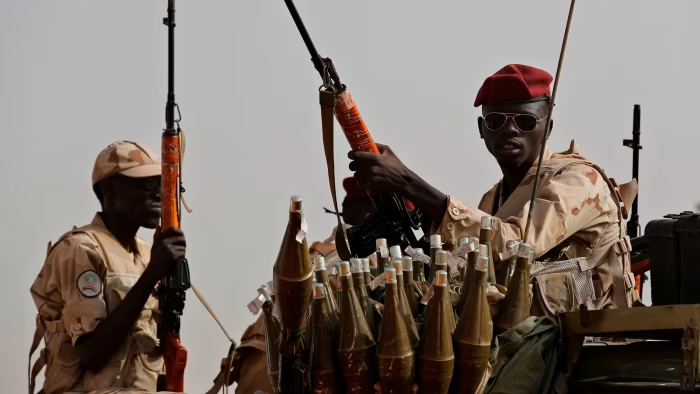
On the 11th of June 2025, with the civil conflict entering its second year, the new Sudanese government led by former UN associate Kamil Idris accused Libya of attacking its military posts. The northern African country has been an active, albeit unofficial and indirect, actor in the war between the RSF (Rapid Support Forces) and… Leggi tutto »The role of Libya and the United Arab Emirates in Sudan
On May 13th, 2025, Ethiopia’s National Electoral Commission reversed the decision through which the Tigray People’s Liberation Front had been reintegrated as a legal and legitimate party. The TPLF was deregistered from the electoral lists and will not be able to participate in the 2026 elections (Africa24, 2025). The party had been reintegrated in August… Leggi tutto »The ban of TPLF and the power struggle in Tigray: what’s next for Ethiopia?
Il Movimento del 23 marzo, comunemente abbreviato in M23 e noto anche come Esercito Rivoluzionario Congolese, è una milizia ribelle attivanella parte orientale della Repubblica Democratica del Congo. Le origini del movimento risalgono a un gruppo di ribelli, di etnia tutsi e culturalmente vicini al Ruanda, operante nell’est del Paese, che il 23 marzo del… Leggi tutto »La guerra nel Kivu e il Movimento del 23 Marzo
Since January 23, 2025, the March 23 Movement (M23) rebel group has intensified its offensive in the eastern Democratic Republic of Congo (DRC), further deepening one of Africa’s most protracted conflicts. In just weeks, intense fighting has led to the fall of Goma and Bukavu, two strategic cities that serve as vital economic and logistic… Leggi tutto »Behind M23 rebellion: Rwanda’s role in the eastern Congo conflict
Il 10 ottobre 2024 il presidente egiziano Abdel Fattah al-Sisi si è recato per la prima volta da quando è in carica ad Asmara, capitale dell’Eritrea, per sottoscrivere un nuovo patto di sicurezza regionale con le autorità eritree e somale. Cairo, infatti, ha confermato la volontà di inviare nuove truppe in Somalia, in supporto dell’esercito… Leggi tutto »Patto di Asmara: Cambiano gli Equilibri nel Corno d’Africa
Gli impegni derivanti dalla lotta ai cambiamenti climatici e le crisi energetiche internazionali hanno causato problemi di approvvigionamento, spingendo molti Paesi verso una “transizione ecologica”. Anche l’Italia – importatrice di energia da combustibili fossili come petrolio e gas – negli ultimi due anni ha investito ingenti somme nella produzione di energia da fonti rinnovabili (FER).… Leggi tutto »Le rinnovabili in Italia e le opportunità per la transizione verde in Africa
Dopo il ritiro della Francia, prima dal Mali, poi dal Niger, anche gli Stati Uniti, la cui presenza nella regione risale al 2002, hanno annunciato il ritiro delle truppe dalla base di Agadez entro settembre 2024. Situato all’interno della regione del Sahel, il Niger, ex colonia francese, si è contraddistinto per il susseguirsi di colpi… Leggi tutto »L’evoluzione della presenza degli Stati Uniti in Niger
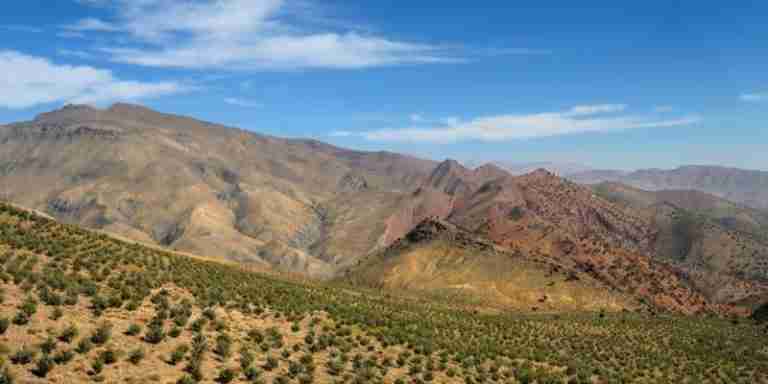
Il seguente è l’articolo vincitore dell’essay competition CSI – MSOI Napoli, a cura dell’autrice Anna Maria Romano. La regione del Sahel, situata al di là del deserto del Sahara, rappresenta una delle aree maggiormente vulnerabili all’interno del continente africano: uno spazio fluido in continua evoluzione con intrecci di conflitti, violenze e attori che permeano all’interno… Leggi tutto »La Grande Muraglia Verde in Sahel: un’iniziativa contro la desertificazione e le minacce del cambiamento climatico
Il Sudan, terra segnata da secolari conflitti e sfide, è ancora una volta teatro di una battaglia per il potere. Mentre le Forze Armate Sudanesi (SAF) e le Forze di Supporto Rapido (RSF) si contendono il controllo, il Paese è sull’orlo di un precipizio. Ma per comprendere appieno la gravità di questa crisi odierna, dobbiamo… Leggi tutto »Sudan: tra guerra, crisi umanitaria e ripercussioni transfrontaliere
Dopo aver sconvolto il mercato dell’energia e costretto molti Paesi a riconsiderare le proprie forniture, il conflitto russo-ucraino mette a rischio la sicurezza alimentare globale. Dall’inizio delle ostilità il commercio di cereali dal Mar Nero ha subito una drastica riduzione. L’offensiva di Mosca nel sud del Paese ha compromesso l’operatività dei maggiori porti ucraini, dai quali il paese muove il 90% delle proprie esportazioni utili a sfamare circa 400 milioni di persone nel mondo. La situazione preoccupa soprattutto quei paesi…
Il cambiamento climatico è un nuovo rischio per i conflitti armati: il caso del lago Ciad BULLETTIN 08 aprile 2021 Francesca Lenzi Al termine della Guerra fredda, la comunità internazionale fu investita da un nuovo problema connesso alla sicurezza umana: il cambiamento climatico. Durante l’Assemblea Generale delle Nazioni Unite nel 1988, il Presidente dell’Urss Gorbaciov… Leggi tutto »Il cambiamento climatico è un nuovo rischio per i conflitti armati: il caso del lago Ciad
Rapimento di studenti in Nigeria: crescente insicurezza e rischi per il futuro BULLETTIN 13 marzo 2021 Marco Monaco Nella notte del 26 febbraio, 279 studentesse della Government Girls Secondary School Jangebe, nello stato di Zamfara (Nigeria), sono state rapite da un gruppo armato di non meglio definiti ‘terroristi’. Sebbene le studentesse siano state rilasciate alcuni giorni… Leggi tutto »Rapimento di studenti in Nigeria: crescente insicurezza e rischi per il futuro
Relazioni UE-Africa: a che punto siamo? Relazioni UE-Africa: a che punto siamo? Relazioni UE-Africa: a che punto siamo? BULLETTIN 26 novembre 2020 Angela D’Ambrosio ‘What happens in Africa matters for Europe, and what happens in Europe matters for Africa. Our partnership is an investment in our shared future. It is a partnership of equals in which… Leggi tutto »Relazioni UE-Africa: a che punto siamo?
Nuovi scontri nella regione del Tigray in Etiopia: il rischio di una guerra civile CSI BULLETTIN 14 novembre 2020 Benedetta Lorenzale L’attuale situazione in Etiopia sta lentamente peggiorando nella regione del Tigray, al nord del paese e al confine con l’Eritrea. I rapporti tra lo Stato federale e la regione tigrina sono andati deteriorandosi già… Leggi tutto »Nuovi scontri nella regione del Tigray in Etiopia: il rischio di una guerra civile