
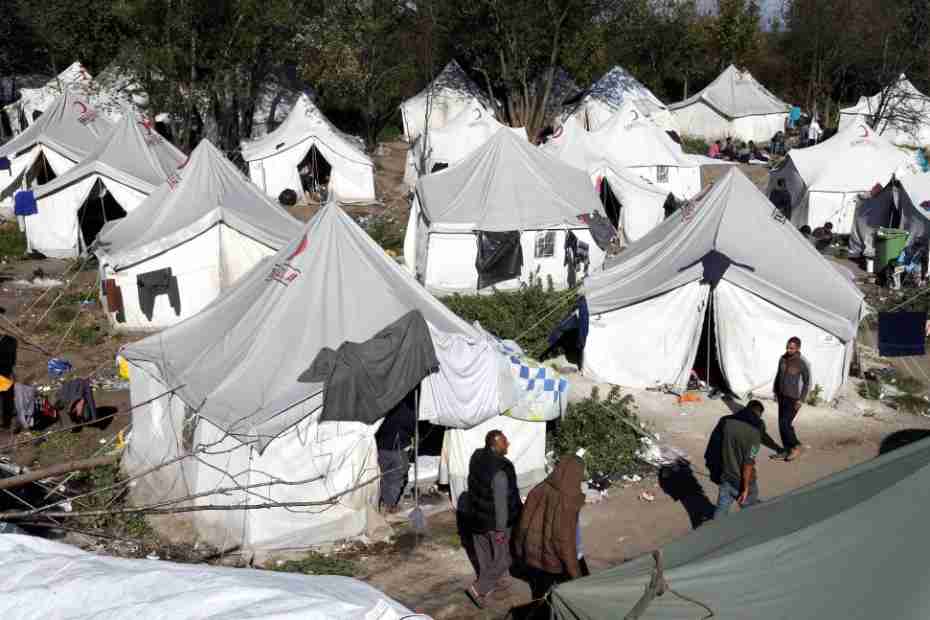
Although Bosnia and Herzegovina (BiH) is geographically central to the Western Balkans, it has only recently become a key part of the so-called ‘Balkan Route’. In the winter of 2017/2018, BiH shifted from being primarily a country of emigration to functioning as a transit state, and, eventually, a migration hotspot in a relatively short period. Since then, it has gradually become subject to the EU’s migration governance framework, playing a key role in the Union’s strategy to control migration beyond its borders (Mitrović et al., 2020).
The country’s status as an EU candidate state has further intensified this dynamic. The accession process has created structural imbalances and increased the EU’s influence through the use of conditionality and regulatory alignment.
Download and read the full article:
